
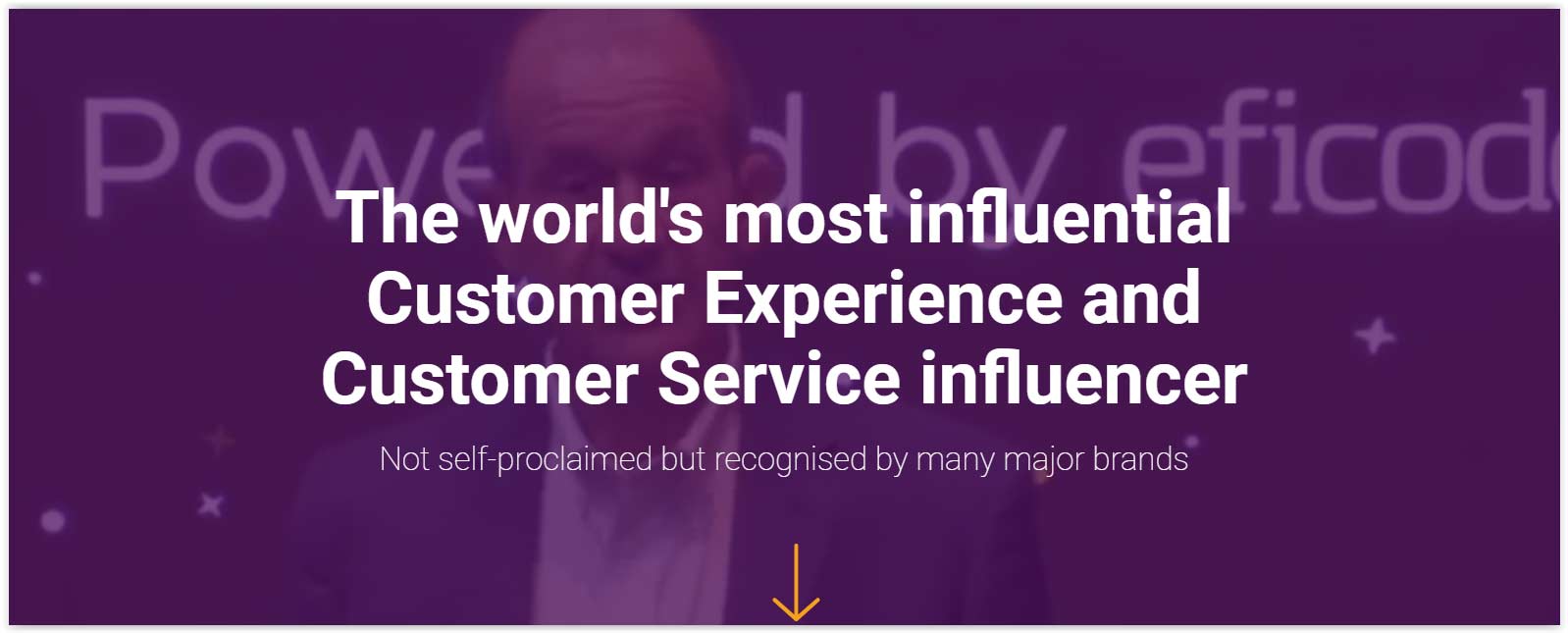

We Can Help You Improve Your Brand Loyalty, Brand Advocacy and Customer Experience.
Many people say they are experts, but few can prove it. Here is the evidence – the numbers don’t lie:
- Recognized as one of LinkedIn’s top 150 business influencers and included in “Top Voices,” their official influencer program
- Colin has over 295,000 followers on LinkedIn
- He has over 80,000 subscribers to his LinkedIn newsletter “Why Customers Buy“
- Syndicated for his Beyond Philosophy’s blog on other websites, including MyCustomer and Customer Think
- Named as “Leading Consultancy” by Financial Times for four years in succession
- Ranked in the top 5 percent of podcasts for his business podcast The Intuitive Customer
- Over half a million downloads of the Intuitive Customer Podcast
- 14,000 followers on X
- Named as Leading Consultants by Financial Times for four years running
- Recognized as one of LinkedIn’s top 150 business influencers, and included in “Top Voices” their official influencer program
- Ranked in the top 5 percent of podcasts for his business podcast The Intuitive Customer
- Syndicated for his Beyond Philosophy’s blog on other websites, including MyCustomer and Customer Think
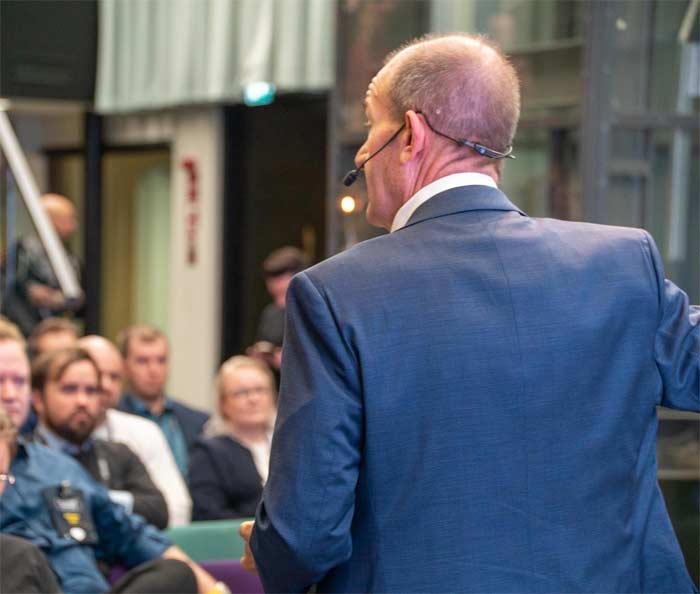
Colin can help improve your brand awareness, advocacy and customer experience.
Why not contact Colin now
to find out how?
Contact us now Follow Colin on LinkedIn
Colin can help improve your brand awareness, advocacy and customer experience.
Why not contact Colin now to find out how?
Contact us now
B2B Influencer
Colin has helped many leading brands to boost their exposure and credibility through innovative B2B influencer marketing programs. This can be through Colin appearing on your webinars, being a guest on our podcast, writing a whitepaper and using Colin’s vast social media reach to spread the message.
Influencer led workshops and speaking
Colin is a great communicator and can get over complex concepts in a simple, humorous, and inspirational way. He can undertake workshops with your teams, clients and speak at conferences to help you develop Customer Experience strategies.
Join organizations from around the globe that trust Colin and Beyond Philosophy to improve their customer experience, brand awareness, and brand advocacy, and enhance their customer experience.














For example, Maersk Line, the world’s largest shipping company, improved their CE by 40 points over 30 months, leading to a 10% rise in shipping volumes. .
Read more of Beyond Philosophy’s remarkable success stories




The Beyond Philosophy team will help you set the most effective strategies and provide tactical services to help you grow.
Learn more about consulting here
We also train your teams how to use our methodology for practical implementations.
Business influencer
of Fortune 500/major corporations
Colin’s customer experience, customer service, and marketing strategies culminate a 30-year career.
After starting to manage practical operational roles in corporate life, Colin founded his global customer experience consultancy in 2002—before customer experience was even a thing.
Colin’s first of seven books started with Building Great Customer Experiences (Palgrave Macmillan) and was one of the world’s first books on the subject.
Contact us now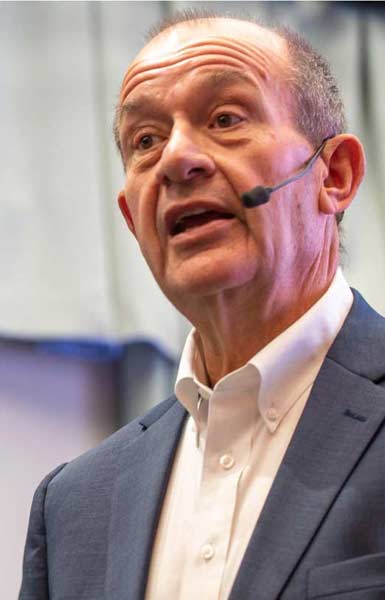
Many companies have used Colin’s incredible reach to boost their exposure, credibility, and brand awareness to create and develop their organization’s brand advocates.
Given Colin’s achievements outlined above and in his Bio, Colin can help you do the same.
Contact us nowColin has the reach and audience
- LinkedIn with 293,000 followers
- LinkedIn Newsletter with 67,000 subscribers
- The Intuitive Customer – In the top 5% of podcasts according to Buzzsprout
- Beyond Philosophy Blog – Is syndicated on many other website like MyCustomer & Customer Think
Would you like a media kit? Request one below:
Latest Updates